Funny Books for Kids
Funny Books for Kids That Keep the Giggles Coming
Kids don’t need a reason to laugh. They just need the right story.
Hand a child a book full of talking animals who get themselves into ridiculous situations, and something shifts. The room gets quieter at first, then louder. Someone snorts. Someone else finishes a line before you can. Before long the same page gets requested three nights in a row because the joke still works. That’s the quiet magic of funny books for kids. They don’t just entertain for ten minutes. They create a shared language of silliness that families return to again and again.
What Makes a Child Laugh at the Same Story Again?
A truly funny children’s story doesn’t rely on one punchline. It builds little moments of surprise that kids can see coming yet still find delightful.
Think of a fox in bright green socks trying to act serious while everything around him refuses to cooperate. Or a lonely badger who is convinced he’s the cleanest animal in the forest and still can’t figure out why no one wants to sit next to him. The humor lives in the gap between what the character believes and what everyone else can see.
Children love that gap. They feel smarter than the character for a second. Then they feel fond of him. Then they want to hear it one more time.
Can a Funny Story Still Teach Children Something?
Yes. In fact, the best ones do it without the child noticing. When laughter is already in the room, learning slips in more easily. Here’s what happens inside a well-told funny story:
- New words can sneak into the story. Kids hear “peppergreen” or “wizard” and absorb them because the moment is playful, not instructional.
- Characters can teach kindness. A fox who returns a lost watch or a badger learning the Golden Rule shows rather than lectures.
- Funny situations encourage questions. Why did the animals gather for soup? What would you have done if you were the boy on the porch?
- Rhyme makes language more playful. The sound patterns themselves become part of the fun.
- Stories can build conversation. After the last page, families keep talking about the characters long after the book is closed.
When Animals Get Into Trouble, Children Pay Attention
There’s a reason animal characters work so well. Kids project themselves onto them without feeling exposed. A fox who gets caught in a trap or a badger who has lost all his friends feels safer to discuss than a human child in the same situation.
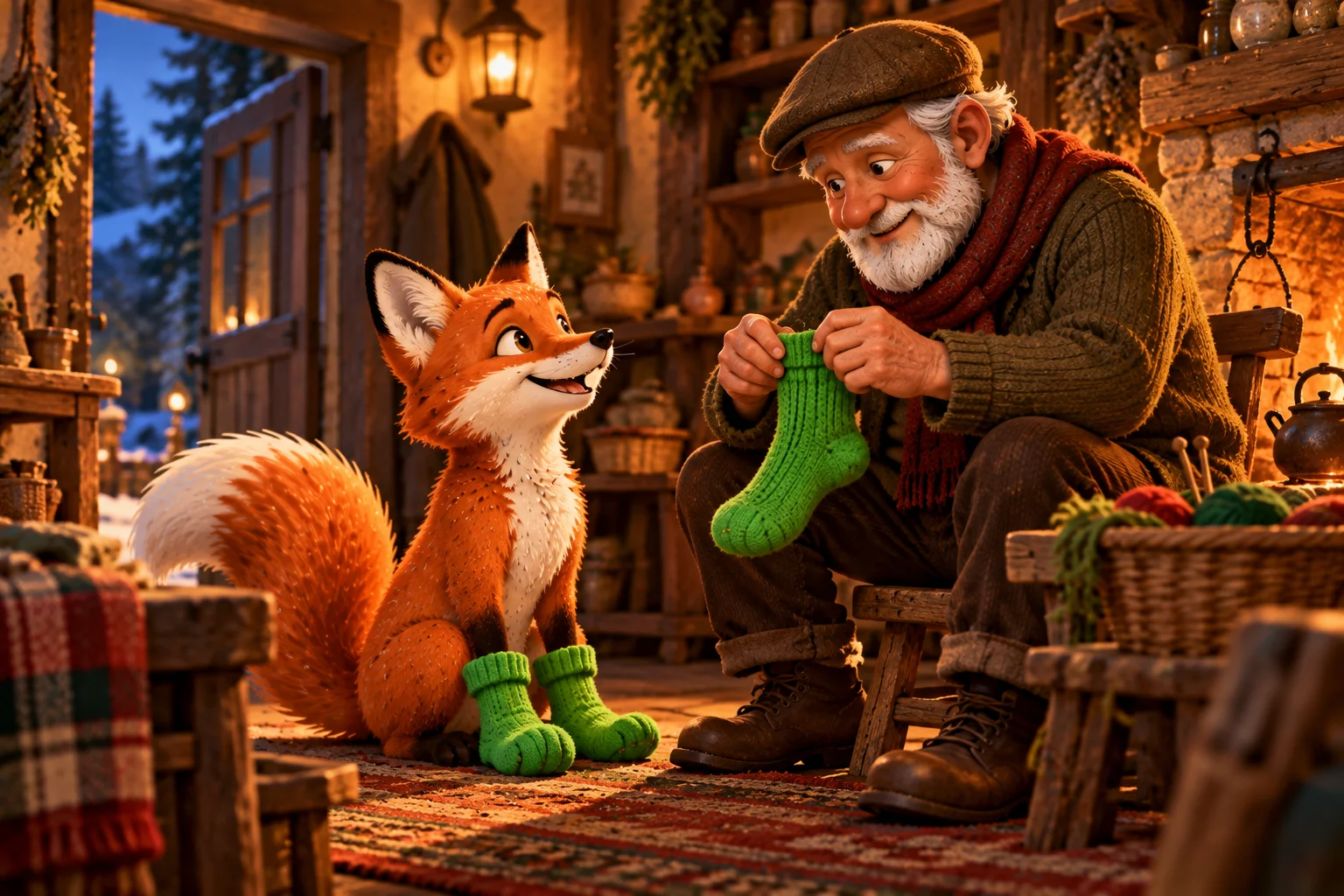
In How the Fox Got His Socks, the fox lands in real trouble and is rescued by a kind older gentleman who may or may not be a wizard. The fox returns the favor by finding a lost watch and receives a pair of magical peppergreen socks as a reward. Suddenly he has a new name—FIPS—and a new purpose.

The Power of Rhyme
The story is written entirely in rhyme. That matters more than it first appears. When children hear “fox” and “socks,” they notice that words can share sound patterns even when their beginnings differ. That simple observation is part of phonological awareness, the understanding that spoken language breaks into smaller sound units. Phonemic awareness, the ability to hear and play with individual sounds inside words, grows from the same root.
Research supports the connection. A synthesis of twelve studies involving 5,299 preschool children found that nursery-rhyme experiences were linked with stronger phonological skills and early print-related abilities. Long-term studies have shown that early sensitivity to rhyme and alliteration contributes to later reading and spelling progress. The humor in the story keeps kids listening. The rhyme quietly trains their ears.
Rhyme, Wordplay, and the Fun of Saying Things Out Loud
Rhyme is not decoration. It is an invitation.
When a book is written to be spoken, children begin anticipating the next sound. They lean forward. They try the words themselves. Some start finishing lines. Others invent their own silly rhymes at the dinner table the next day.
This is one reason funny books for 10-year-olds still work when the same child was only four. The younger listener enjoys the bounce and the pictures. The older one starts spotting the craft—how the rhyme lands, how the joke sets up, how the character changes. The same book grows with them.
Kimberly Smith Andreadis writes with that growth in mind. She believes poetry gives children a meaningful way to develop literacy skills, not merely an entertaining one. Every story in the series follows FIPS and his forest friends through a new situation that asks young readers to think about how they treat the animals—and by extension the people—around them.
Funny Characters Give Kids a Reason to Keep Turning Pages
FIPS is not a perfect hero. He is a fox in ridiculous socks who keeps finding himself in the middle of other animals’ problems. That combination is irresistible.
In Into the Woods for a Basket of Soup, a young boy sits alone on his porch at dusk, bored and lonely. He notices movement in the trees and discovers a group of animals gathering to share a meal. The fox, of course, is right in the middle of it. The boy’s curiosity pulls him into their world. The illustrations are designed to be looked at closely. At the back of the book, readers find fun facts about the animals and questions for discussion.
The Lonely Badger takes a different route to the same destination. Badger cannot understand why the other animals avoid him. He is the cleanest animal in the forest, after all. FIPS meets him crying in the woods and, with a little help from the magical socks, guides him toward treating others the way he would like to be treated. The story is gentle, funny in places, and surprisingly useful for any child who has struggled to keep friends.
Which Fox in Peppergreen Socks Stories Have the Most Fun?
Start with How the Fox Got His Socks. It introduces FIPS and explains the origin of those bright green socks. The rhyme is strong, the illustrations by Rebekah Keener are full of personality, and the story carries a quiet lesson about returning kindness.
From there, Into the Woods for a Basket of Soup offers more ensemble chaos and a lonely boy who finds unexpected company. The Lonely Badger digs into friendship and the Golden Rule with the same rhyming energy.
All three are written for ages 4 to 10. Younger children can enjoy the sound and the pictures. Older ones can discuss the choices the characters make and the new words that appear along the way.
These are funny books for kids that refuse to be only funny. They are also fun books for kids that leave something behind after the laughter fades. And for families with readers around the upper end of the age range, they function as funny books for 10-year-olds who still want to share a story out loud with someone they love.
Frequently Asked Questions About Funny Books for Kids
The books are designed for children ages 4 to 10. Younger listeners enjoy the rhyme, pictures, and animal antics. Older children engage with the vocabulary, character choices, and discussion questions. The humor and lessons stretch comfortably across that range.
Rhyme draws attention to sound patterns in spoken language. When kids notice that “fox” and “socks” share endings, they practice phonological awareness. Research links early rhyme experience with stronger reading and spelling skills later. The humor keeps them listening long enough for the patterns to stick.
Yes. The Lonely Badger specifically explores why friends drift away and how treating others kindly can change that. The story is gentle enough for sensitive readers yet clear enough to spark real conversation about the Golden Rule and everyday behavior.
They shine when read aloud because of the rhyme and rhythm, but independent readers also enjoy them. Many families start together and later find the child reading favorite pages alone, still smiling at the same lines.
FIPS wears magical peppergreen socks and keeps finding himself in the middle of other animals’ problems. He is not perfect or always right. That mix of silliness and heart makes him feel like a real friend rather than a lesson-delivery device.
How the Fox Got His Socks, Into the Woods for a Basket of Soup, and The Lonely Badger are available through major booksellers. Look for the bright green socks on the cover. Those socks have a way of standing out.