Ask any parent what gets a reluctant reader to open a book. Laughter often comes before anything else. A silly character can catch their attention within a few pages. A funny rhyme can keep them reading longer. A surprising moment can make them ask for the same story tomorrow.
That is where funny books for kids can make reading feel different. The goal is no longer finishing a book because someone asked. The goal becomes finding out what happens next. The Fox in Peppergreen Socks series brings that playful feeling into every story. Its characters, rhymes, and gentle humor give children plenty of reasons to keep turning pages.
Why Do Kids Love a Book That Makes Them Giggle?
Kids are naturally drawn to surprise. A silly detail or unexpected moment can make them wonder what comes next. In How the Fox Got His Socks, Fips ends up with a bright green pair of socks. He certainly wasn’t expecting them. The socks come from a kindly old gentleman who might just be a wizard. That unusual reward gives the story a playful twist. The humor never feels like it is trying too hard. Instead, it becomes part of the adventure.
That matters because enjoyment can change how a child approaches reading. A book that makes them laugh can feel less like an assignment. It can also give them something to talk about after the story ends. They might remember the funny character, repeat a favorite line, or ask for another reading. Those small moments can help turn reading into something they look forward to.
Laughter Can Turn Reading From a Chore Into a Treat
For some children, reading can feel like another task on a long list. Humor can change that experience. Suddenly, they are not reading because they have to. They are reading because they want to discover what happens next. Consider Into the Woods for a Basket of Soup. A lonely boy sits on his porch with nothing much happening. Then he discovers woodland animals enjoying their own little dinner gathering. The image of forest friends sharing a basket of soup brings plenty of charm. The story creates a simple reason to keep reading. What are the animals doing? Who will the boy meet? What happens after the dinner? That curiosity can carry a child from one page to another.
The book also includes fun facts and discussion questions at the back. Families can use those extras to keep talking about the story afterward. A book can therefore become more than something read once before bedtime. It can become something children remember and discuss.

Silly Characters Are Easier to Remember

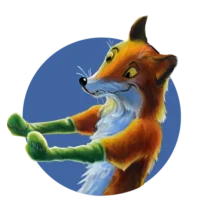
Think about the characters your child talks about days after reading a book. There is usually something distinctive about them. Maybe they have an unusual name. Perhaps they behave in a funny way. Sometimes, one strange object makes the entire character memorable. Fips has plenty of those memorable details.
In How the Fox Got His Socks, he gets rescued from a trap. He later repays the kindness by finding a lost watch. His reward is a magical pair of green socks. It is an unusual ending that gives children something specific to remember. That kind of detail can make a character feel familiar. Children may even bring the character back into everyday conversations. “Remember the fox with the socks?” can become part of the family vocabulary. Fips also returns in the next books. That familiarity gives young readers another reason to follow the series. They already know the character. Now they get another adventure with him.
Can Humor Also Support Early Reading Skills?
Humor alone does not teach a child to read. However, playful stories can create opportunities to notice language and sounds. Rhyme is especially useful here. It encourages children to listen closely to how words sound.
Phonological awareness means recognizing and working with sound patterns in spoken language. It includes skills such as noticing rhymes and syllables. Phonemic awareness is more specific. It involves hearing and working with individual sounds within words.
Both skills play an important role in early reading development. Research has repeatedly connected nursery rhymes with children’s early language and literacy skills. One synthesis reviewed 12 studies involving 5,299 preschool children.
The findings linked nursery-rhyme experience and knowledge with phonological skills. They also found connections with early print-related abilities and early reading skills. That makes rhyme more than a fun feature in a children’s book. It can give children another way to play with language.
The Lonely Badger uses rhyme naturally throughout its story. Children can enjoy the story while hearing repeated sound patterns. They may repeat a rhyme without thinking of it as a reading exercise. That makes the learning feel like part of the fun.
Research also provides useful findings for children with autism spectrum disorder. A systematic review and meta-analysis examined eight experimental reading studies. The review found meaningful improvements in phonological awareness following reading interventions. Phonological awareness includes recognizing rhyme, syllables, and individual speech sounds.
The findings do not mean every rhyming book will produce the same result. They show why sound-focused reading activities can have value. For parents, that distinction matters. A funny rhyming story can entertain while giving children useful opportunities to notice language.
What Kind of Funny Actually Works for a Ten-Year-Old?
Ten-year-olds can appreciate humor that gives them something to figure out. Simple slapstick may still get a laugh, but clever details can hold their attention longer. A surprising twist can work well. So can a funny nickname or a joke that makes sense later. Funny books for 10-year-olds can also mix humor with genuine emotion. Children at this age can usually tell when a story feels forced.
The Lonely Badger takes a gentler approach. Fips uses his magical green pepper socks to help a grumpy, lonely animal make friends again. The setup has enough silliness to entertain without becoming overwhelming. The story also gives children something meaningful to think about. Friendship and kindness remain part of the experience. That balance can make a story enjoyable for different ages. Younger children can enjoy the rhyme and characters. Older children can notice the message underneath the humor.

Funny Doesn’t Mean Forgettable
Some parents worry that funny stories focus too much on laughs. They may wonder if the lesson gets lost somewhere along the way. Good storytelling does not require that trade-off. A story can make children laugh while also showing kindness, friendship, patience, or generosity. In fact, those ideas can feel more natural inside a story.
Children may remember a lesson because they remember the character involved. They may remember the character because something funny happened. That creates a stronger connection between the message and the story. Each Fox in Peppergreen Socks book carries its own takeaway.
Into the Woods for a Basket of Soup shows how companionship can change a lonely evening. How the Fox Got His Socks connects kindness with an unexpected adventure. The Lonely Badger brings friendship and the Golden Rule into Fips’ latest adventure.
None of these messages need a lecture. The stories give children room to discover them through the characters.
Meet Kimberly Smith Andreadis, the Author Behind FIPS
Kimberly Smith Andreadis created the Fox in Peppergreen Socks series around adventure, rhyme, and memorable characters. Her stories give young readers plenty to enjoy while introducing new vocabulary and literacy-friendly language. She also sees rhyme as more than an entertaining feature. Poetry can give children a meaningful way to notice language and develop literacy skills.
Each book follows FIPS and his forest friends through a different situation. Along the way, the characters encounter problems involving kindness, friendship, and how they treat others. How the Fox Got His Socks introduces readers to Fips through an unusual adventure. Into the Woods for a Basket of Soup brings him into a woodland gathering filled with warmth and humor.
The Lonely Badger continues that journey with another story about friendship and kindness. The result is a series that gives children familiar characters while introducing fresh situations. That familiarity can also make returning to another book feel inviting. For parents searching for funny books for kids, that combination can be especially appealing. The stories can make children laugh without leaving meaningful ideas behind.
Why Rhyme Makes These Stories Fun to Read Aloud
There is another reason rhyme works so well with children’s stories. It gives reading a natural rhythm. Children can hear when words sound alike. They can predict what might come next. They may even join in when they recognize a familiar pattern. Reading aloud makes that experience even more interactive. A parent might pause before a rhyming word. The child can guess what comes next. That small moment turns reading into participation rather than passive listening. Rhyming stories can also encourage children to repeat favorite lines. Repetition gives them more chances to hear sounds and new words.
The Lonely Badger fits naturally into that kind of shared reading experience. The story can be enjoyed quietly at bedtime. It can also become a playful read where children join in with the rhymes. That flexibility gives parents another way to make books part of everyday family life.
A Funny Story Can Give Kids a Reason to Pick Up Another Book
Getting a child interested in one book is only part of the goal. You also want them to feel curious about the next one. Humor can help create that curiosity. A child who enjoys Fips in one story already has a familiar character waiting in another. They know his personality and recognize the world around him. That familiarity removes some of the uncertainty around starting a new book. The next story still brings something different. There might be a new problem, a new animal, or another surprising adventure. That combination of familiarity and novelty can make a series easier to return to.
For reluctant readers, even small steps can matter. Finishing one enjoyable story can make the next book seem less intimidating. A funny character can give them the first reason to open it.
Ready for a Story That Gets Requested Again?
The best children’s stories can do more than fill a few quiet minutes. They can make children laugh, wonder, ask questions, and reach for another book. The Fox in Peppergreen Socks series brings those qualities together through Fips and his forest friends.
How the Fox Got His Socks offers a magical adventure with an unexpected reward. Into the Woods for a Basket of Soup turns a lonely evening into a woodland gathering. The Lonely Badger adds another adventure built around friendship and kindness. Along the way, rhyme gives children opportunities to hear the sounds and patterns within language. The stories also introduce vocabulary and ideas without making reading feel like a lesson.
For families looking for funny books for kids, that combination can make storytime more inviting. Sometimes, getting a child to read starts with something very simple. Give them a story that makes them want to know what happens next.
FAQs
Why do funny books help kids want to read more?
Humor can make reading feel enjoyable rather than like another task. Funny characters and surprising moments can keep children curious about what happens next. That curiosity may encourage them to continue reading. Over time, enjoyable reading experiences can help children develop a more positive relationship with books.
Are funny books for kids only good for younger readers?
No. Older children enjoy humor too, although their preferences can change as they grow. Ten-year-olds may enjoy clever jokes, surprising twists, and characters with unusual personalities. Stories can also combine humor with friendship, kindness, and other ideas. That combination gives older readers something meaningful alongside the laughs.
Do funny books for 10-year-olds still teach real lessons?
Yes. Humor does not prevent a story from exploring meaningful ideas. A funny story can still show kindness, friendship, courage, or patience through its characters. Children may remember those ideas because they connect them with an enjoyable moment. The lesson becomes part of the story instead of feeling like a lecture.
Can rhyming books help children develop early literacy skills?
Rhyme can give children opportunities to notice sound patterns in spoken language. Phonological awareness includes recognizing rhymes and other sound patterns. These skills are linked with early reading development. Rhyming stories can therefore support language play while children enjoy the characters and story.
How can I tell if a book will make my child laugh?
Look for playful characters, surprising situations, funny illustrations, and natural humor. Rhyme and rhythm can also make stories more enjoyable to read aloud. You can read a few pages together before deciding. Your child’s reaction will often tell you more than a book description can.